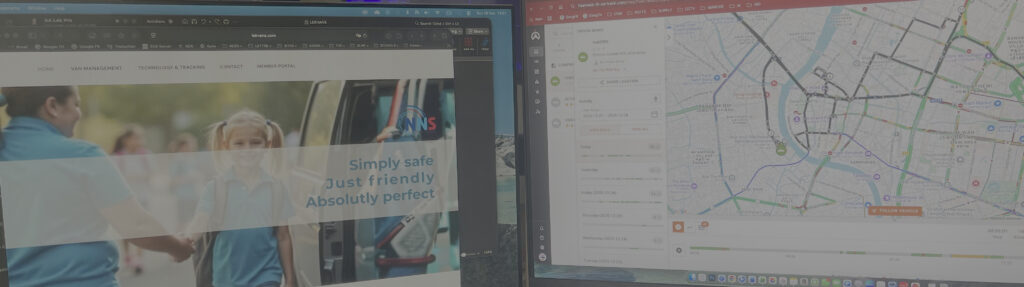
Technology serves human
Technology alone does not provide security.
It becomes valuable only when it supports a clear security strategy and enhances operational control.
SDS uses so-called « passive » technology to strengthen information, such as detecting, signalling, and alerting.
Better information reduces uncertainty, minimises waste, and prevents avoidable incidents.
The principle, no technology for show
Many sites install numerous cameras, sensors, or dashboards without a clear concept, response protocols, or accountability.
The result is misplaced confidence and operational confusion. Through Nova Networks Solutions (NNS), our technology arm, we implement solutions only when they have a defined purpose and can be operated within an operational support framework.
A fundamental inquiry directs each decision: who is to receive the signal, what action is anticipated, the manner of escalation, and the documentation process. If there exists any doubt, it is unequivocal.
A short history of security information

Security initially depended on numbers: many guards and patrols. Then visibility improved with watchtowers, optics, and later cameras, allowing risk observation while reducing exposure and optimising manpower.
With digitalisation, surveillance has been integrated with IT systems and enabled remote monitoring across the globe.
But a common mistake occurred: information was diverted away from operational teams. Screens and alerts ended up in places where they are least effective, and real-time visibility became unused data.
At SDS, we prevent that. Technology must serve operations. Information must remain actionable, connected to clear response rules, and kept within the operational framework loop.
Integration with people and processes
Technology must connect to roles and procedures.
A camera does not prevent anything unless it is linked to monitoring, escalation, and response.
Access control does not protect a site unless rules are enforced consistently.
That is why SDS, NNS, and EPSA are complementary.
- SDS defines the concept, posts the duties, and specifies the reporting lines.
- NNS integrates the technology that supports those duties.
- EPSA trains the teams to execute the SOP and use the tools correctly.

Practical outcomes
When the right chosen technology is integrated into a security programme, it produces practical outcomes:
- Clearer situational awareness,
- Faster decision-making,
- Stronger documentation,
- Fewer gaps across shifts,
- Reduced reliance on improvisation,
- Transparency and follow-up,
- Improved working conditions,
- And the most: Cost control!
If you want technology that supports operations rather than complexity, start with a structured assessment.