
TRAINING AND MASTERING
Standard Operating Procedures
First, always
EPSA does not only teach generic theory. We train within a specific operational framework tailored to your site and operating model. The SOP provides the essential know-how: what to observe, what to prevent, what to report, what to do, and what to avoid. This ensures consistency across shifts and staff, and helps minimise improvisation.
What training covers
EPSA comprises several security sections, organised into two departments.
The Operation Department.
This department covers training for guards (TP12, Initial onboarding, aligned with Thai law and basic common skills), protection and close protection officers, self-defence, and the use of defence equipment.
The Corporate Department.
This department caters to companies seeking to equip their teams with advanced training in fields such as crisis management, high-risk negotiation (events), and preparation for deployment to high-risk environments (HEAT).
This department manages all programs on online platforms used for pre-training or refresher courses.
This approach ensures that performance does not depend solely on individuals, making it a standard practice.
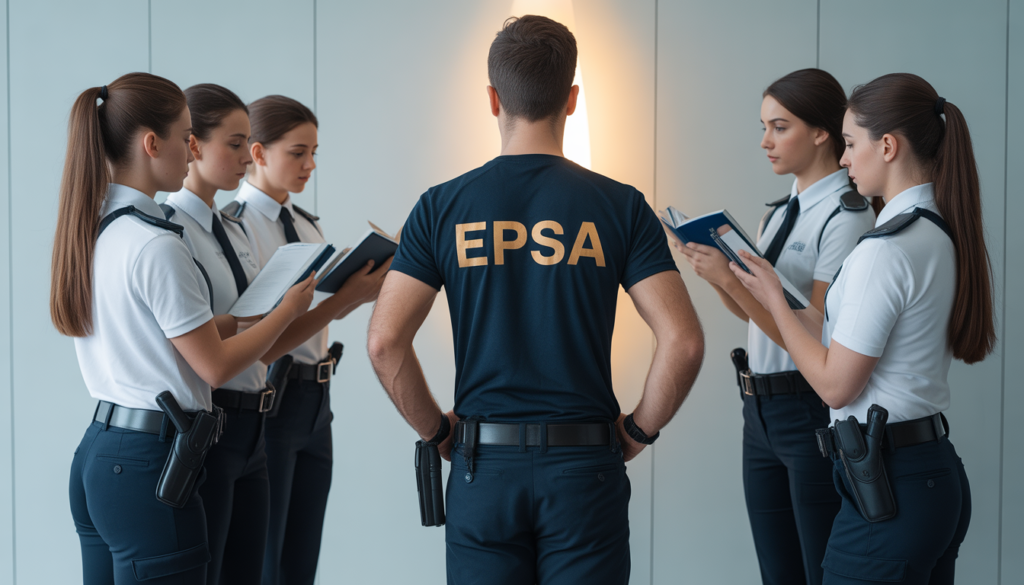
Operation Department.
SENTINEL PROGRAM (The eyes of security)

The presence of Security Officers does not necessarily indicate full security mastery on a site.
Training transforms their presence into effective control and can lead to expertise, enhancing rapid response times, discipline, reporting quality, and team cohesion, which reduces errors under pressure.
Through EPSA, SDS provides training in accordance with your SOP, which is developed and regularly updated to ensure implementation aligns with current regulations.
- Security Officers (TP12)
- Team Leader
- Group Manager (chief of site)

SHIELD PROGRAM (Close Protection)

Strength combined with precision.
Discover protection in action through coordination, mobility, and technical mastery. This programme includes five on-site training sessions. Some sessions last one day, while others can be completed over five days or more.
Each session concentrates on understanding theoretical and practical procedures. In this programme, we cover the fundamentals of the job, but true mastery is gained through practice and hands-on experience.
The five levels are as follows:
- Private escort
- Operational CPO
- Defensive driving (side session)
- CPO Team Leader
- Mission Manager

Corporate Department.
EAGLE PROGRAM
Always keep one step ahead.
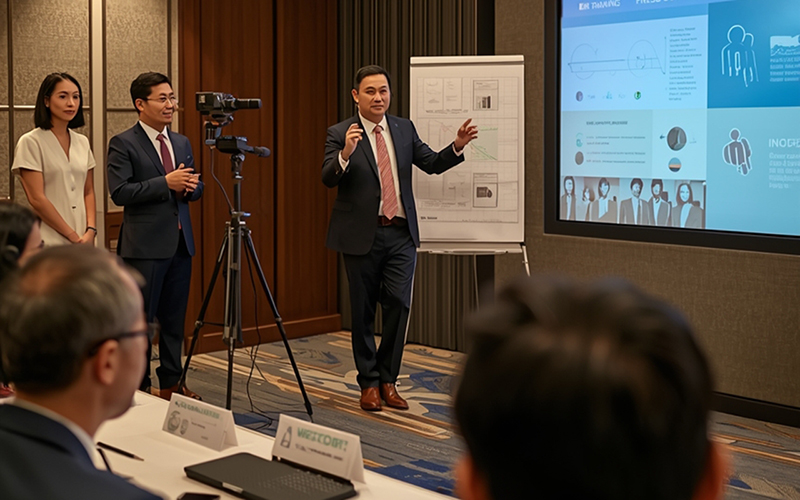
The EAGLE programme is tailored for executives and their direct team members: those responsible for decision-making and implementation. The aim is straightforward: to maintain control. EAGLE connects two closely related disciplines: economic (or strategic) intelligence and crisis management.
An incident is never simply « just » an incident.
An event can trigger human, legal, financial, and reputational risks. Additionally, it creates opportunities for the observant.
The program provides operational reflexes: what to detect, what to protect, what to say, how to say it and above all, what not to say.
Program EAGLE teaches how to structure decisions under pressure, control communication, and write clear, concise, and applicable best-practice guides so that every manager and executant know how to act without improvising.
How to rise above the event itself and look beyond it.
EAGLE INTELLIGENCE
- Internal
Anticipate (risks, disruptions, weak signals).
Protect (information, assets, image, decisions).
Influence (narrative, standards, partners).
Decide quickly (reduce uncertainty, prioritise action). - 360° Governance
Mapping (countries, sectors, competitors, technologies, regulations).
Confidentiality (escalation rules and levels).
Mapping of Critical Risks and Assets
Assets (key people, brand, data, contracts, suppliers, sites).
Risks (legal, reputational, financial, cyber, security, HR).
Dependency chains (domino effect). - Monitoring:
Competitive, partnership, regulatory, legal, GDPR – PDPA, reputational, influence, technological, security, vulnerabilities, opportunities, country security, escalation/graduation…)
EAGLE CRISIS
Upstream
- Governance (Chain of command, crisis cell, rules, monitoring)
- Detection, qualification, escalation (alert signals, severity criteria, timing, checklist, activation)
- Immediate operational management (security, continuity, coordination, responders)
- Information management (error reduction, stress management, fact-checking, sources)
- Evidence, compliance, and accountability (including evidence preservation, witness statements, traceability of decisions, and legal or administrative interface)
Communication (the sensitive heart)
- Crisis communication doctrine: priorities, what to say and not say, single message, single spokesperson, timing.
- Positions (acceptance, denial, parallel).
- Tone: empathy, firmness, calmness, professional humility, factual neutrality, framed transparency, responsible authority.
- Language tools: holding statement, hostile Q&A, bridge, block, return to facts.
- Messages: internal, external, authorities, media, social networks.
- Channels and risks: telephone, email, instant messaging, press, social networks, and meetings.
- Potential leaks: screenshots, audio, witnesses. Influence monitoring: media/network monitoring plus rumour management.
- Pre-crisis operational monitoring.
Débriefing and improvement
H.E.A.T.
Hostile Environment Awareness Training (achieved by our partner GEOS)
Target audience
International and private companies, and staff who may need to operate in environments with degraded or volatile security.
Objective
This training course aims at strengthening the preparation and awareness of people working in disrupted environments. The HEAT provides participants with the right knowledge and tools to anticipate and react to threats in their work areas.
Through a participatory approach, the pedagogical team ensures that the participants develop their knowledge, skills and know-how.

Five international certificates and an attestation
- EFR
- Emergency First Response
- HPass Competency Badge
- Stop the Bleed
- Highfield
- GEOS attestation
- TECC possible
If you are interested in EPSA for yourself or your company, do not hesitate.